Spain 1 Week Travel Itinerary on a Budget is the perfect guide for first-time travelers to explore Spain’s top cities, attractions, and local experiences without feeling rushed. If you are Planning your first trip to Spain can be overwhelming, with so many historic cities, cultural highlights, and vibrant experiences to choose from—but this 7-day itinerary helps you make the most of your adventure.
Whether you want to discover Madrid top attractions, enjoy charming medieval towns like Segovia, or experience coastal vibes in Barcelona and Valencia, this one week in Spain itinerary will give you the perfect balance of history, food, and relaxation.
Why Choose a 7-Day Travel Itinerary for Spain?
Many first-time travelers ask: how many days in Spain are enough? I’d recommend starting with a Spain 1 week travel itinerary, even though the truth is, Spain deserves months of exploration. Seven days is the sweet spot—it lets you experience iconic cities, enjoy day trips to nearby gems, and still have time to relax at cafés or wander through charming old town squares without feeling rushed.
For official travel resources, guides, and updated events, visit the Official Spain Tourism Website.
Budget Travel Tips for Your 7-Day Spain Trip
If you want to explore Italy for 1 week under $1000, including stayings, food, and attractions, you must visit our guide.
Transport on a Budget
To book your AVE high-speed train tickets at the best prices, check schedules directly on Renfe’s Official Website.
-
It’s a good idea to book AVE high-speed train tickets in advance—you’ll often get cheaper fares that way.
-
In the city, you can save money by using the metro, hopping on buses, or simply walking around.”
-
If you’re in Madrid or Barcelona for a few days, consider getting a multi-day metro pass—it makes getting around super easy and budget-friendly.
Affordable Accommodation
For trusted stays, check the official Spain.info accommodation guide for hotels, hostels, and rural escapes.
-
I usually choose budget-friendly hostels, guesthouses, or hotels in central areas so I’m close to everything.
-
I like staying in Airbnb rentals with a kitchen because it helps me save on dining costs.
Eating Cheap: Budget Food & Drinks
-
Tapas hopping in small portions is a fun and budget-friendly way to eat.
-
For authentic local food without spending too much, I suggest visiting markets like Mercado de San Miguel or Central Market.
-
It’s smart to avoid touristy restaurants near major attractions to stay within your budget and still eat well.
Low-Cost Attractions & Activities
-
I suggest taking advantage of free or budget museum hours (Prado, Reina Sofía, etc.) to see amazing art without spending too much.
-
Enjoy budget-friendly public spaces like Retiro Park, Plaza Mayor, and Malvarrosa Beach for some relaxation and sightseeing.
-
Combining walking tours with sightseeing is a great way to save on transport costs and explore the city up close.
In my experience, for those planning their best 7 day Spain itinerary, this one-week travel plan balances culture, history, and leisure perfectly. Here’s what you can do to make the most of your trip and enjoy every moment.
Day 1: Arrival in Madrid – The Heart of Spain
For official information on Madrid’s attractions, events, and travel tips, visit the Madrid Tourism Official Website.
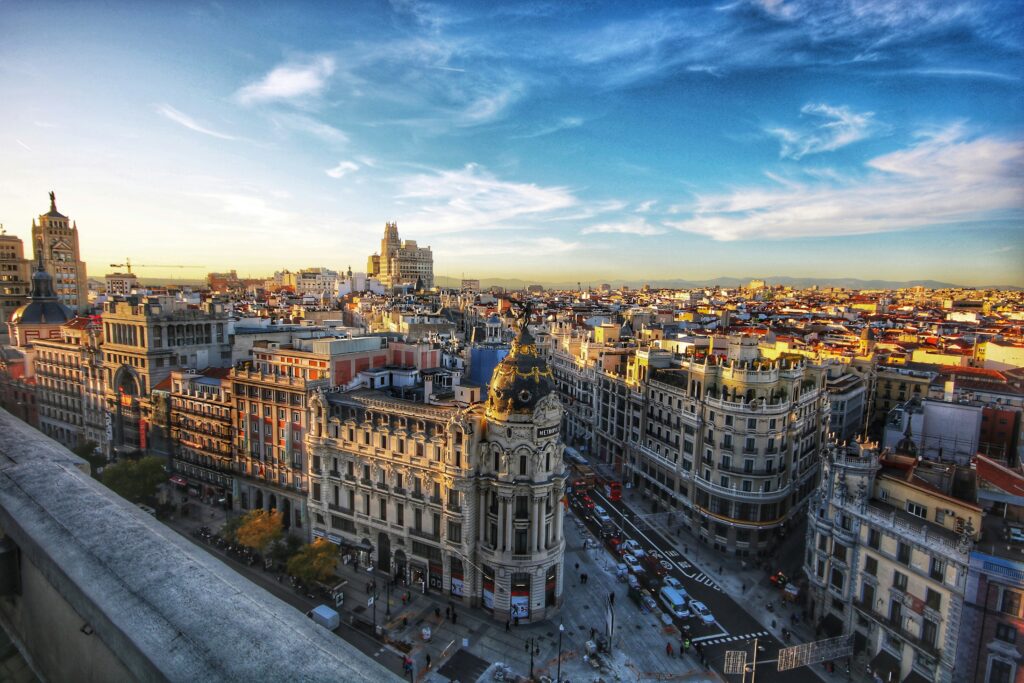
Let’s explore Madrid, the country’s vibrant capital. From what I’ve seen, its mix of royal history, lively plazas, world-class museums, and amazing food makes it the perfect introduction to Spanish culture. You’ll enjoy wandering through the streets, soaking up the atmosphere, and discovering everything this lively city has to offer.
Top Attractions in Madrid & How to Get Around
Royal Palace of Madrid: I’d recommend starting here—it’s just a short walk from Plaza Mayor and easy to reach via the Opera metro station.
Plaza Mayor: From what I’ve seen, it’s the heart of Madrid’s historic center and only steps away from Sol metro station.
Prado Museum: Here’s how you can make the most of your visit—combine it with Retiro Park in one day since it’s located along the Paseo del Prado, near Atocha train station.
Retiro Park: You’ll enjoy wandering through this beautiful park, right behind the Prado Museum.
La Latina: You might want to explore this lively neighborhood by taking Line 5 of the metro—it’s famous for its tapas bars and vibrant atmosphere.
Walking is the best way to see these attractions because they are clustered in central Madrid. If you are short on time, use the metro—it’s safe, affordable, and efficient.
Travel Tips for Day 1 in Madrid
Get around Madrid easily using the official Madrid Metro for schedules and routes.
Timing: I’d recommend visiting the Royal Palace in the morning to avoid long queues. Often, museums are less crowded during lunchtime (2–4 PM), so that’s a good window to explore.
Tickets: It’s a good idea to get your tickets online for the Prado and Reina Sofía so you can skip the lines and save time.
Food: You’ll enjoy eating tapas like a local—order small portions at multiple bars rather than sitting in just one place.
Weather: Make sure to carry water and take breaks in shaded plazas or cafés, especially in the hot summer months.
If you want daily forecasts, check Here.
Language: Don’t miss learning a few basic Spanish phrases—even though English is understood in tourist areas, a little effort goes a long way and locals really appreciate it.
Day 2: Day Trip to Segovia – Fairytale Spain
For official information on Segovia’s top attractions, events, and travel tips, visit the Segovia Official Tourism Website.
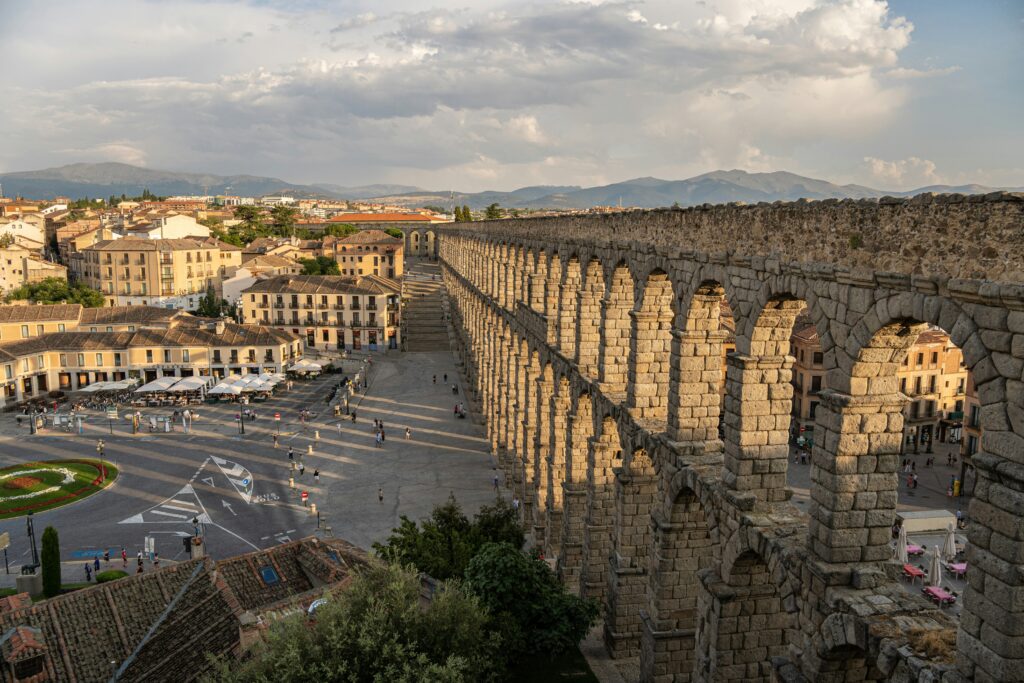
Take a short train ride (just 30 minutes) for a tour to Segovia from Madrid. Known for its fairytale charm, historic architecture, and delicious local cuisine, Segovia is one of the most popular day trips from Madrid.
Top Attractions in Segovia
- Roman Aqueduct – One of the best-preserved Roman aqueducts in Europe. This iconic structure dominates the city center and is a must-see for history enthusiasts.
- Alcázar of Segovia – A stunning castle perched on a rocky hill, said to have inspired Disney’s Cinderella Castle. Explore its towers, armory, and royal rooms.
- Segovia Cathedral – Known as the “Lady of Cathedrals,” this Gothic masterpiece sits in Plaza Mayor and is remarkable for its architecture and art.
- Plaza Mayor – Segovia’s central square, perfect for a coffee, people-watching, or simply soaking in the medieval atmosphere.
- Jewish Quarter – Stroll through narrow streets and discover centuries-old synagogues, architecture, and charming artisan shops.
- Local Cuisine – Segovia is famous for cochinillo (roast suckling pig), a traditional dish best enjoyed in a historic tavern.
Location & How to Get Around
If you’re coming from Madrid, AVE and regional trains leave from Madrid-Chamartín or Madrid-Atocha stations, and the journey takes about 30–40 minutes. Once you arrive, most attractions are in Segovia’s historic center, so walking is the best way to explore. Buses are available, but you usually won’t need them for the main sights. If you’re driving, park near Plaza Mayor and enjoy exploring the city on foot.
Travel Tips for Day 2 in Segovia
Timing: Try to get there early so you can see the Roman Aqueduct and Alcázar before the crowds arrive. Often, mornings give the best experience.
Tickets: Grab your Alcázar tickets online ahead of time, especially on weekends. This is a quick way to save time and skip long lines. If you want to book official Alcázar tickets online, visit the official website.
Food: Be sure to try cochinillo at a traditional restaurant like Mesón de Cándido or Restaurante José María. It’s a real Segovia specialty.
Clothing & Shoes: Wear comfortable shoes since the cobblestone streets and hill climbs can be tricky. You’ll find it makes exploring much easier.
Photography: The aqueduct and Alcázar look amazing in the morning or late afternoon light. Picture this, the perfect photo without the crowds around.
A day trip to Segovia from Madrid offers a perfect blend of history, architecture, and gastronomy, making it a highlight for any Spain itinerary 7 days.
Day 3: Toledo or Ávila – Historic Side Trip
On your third day, let’s explore Spain’s rich history with a day trip from Madrid. You could try taking a train to Toledo, often called the “City of Three Cultures,” or visiting Ávila, known for its medieval city walls and historic charm. From what I’ve seen, both destinations are easily accessible and make perfect additions to your Spain by train itinerary.
Top Attractions in Toledo
For detailed information on Toledo’s historic sites and attractions, visit the official Toledo tourism website.
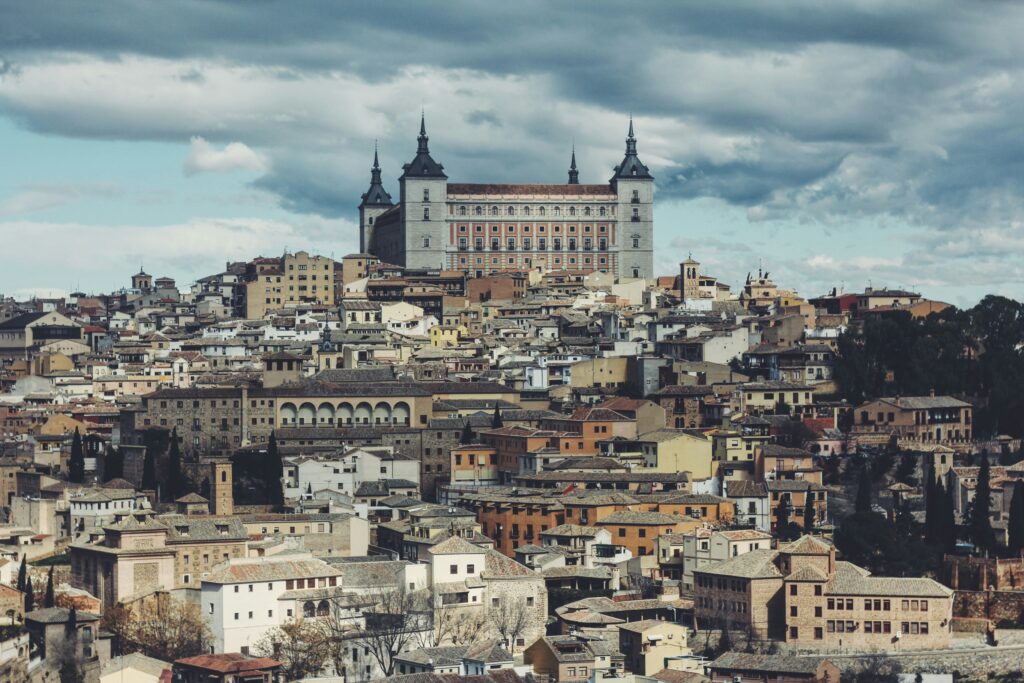
- Toledo Cathedral – A Gothic masterpiece featuring stunning altarpieces, chapels, and artwork.
- Alcázar of Toledo – A historic fortress with panoramic city views and a fascinating military museum.
- Jewish Quarter – Explore narrow winding streets, synagogues, and artisan shops showcasing Toledo’s multicultural heritage.
- Monastery of San Juan de los Reyes – Notable for its intricate architecture and historic significance.
- Puerta de Bisagra – The city’s iconic medieval gate, perfect for photography and walking tours.
Top Attractions in Ávila
For information on Ávila’s historic landmarks and visitor tips, check the official Ávila tourism website.
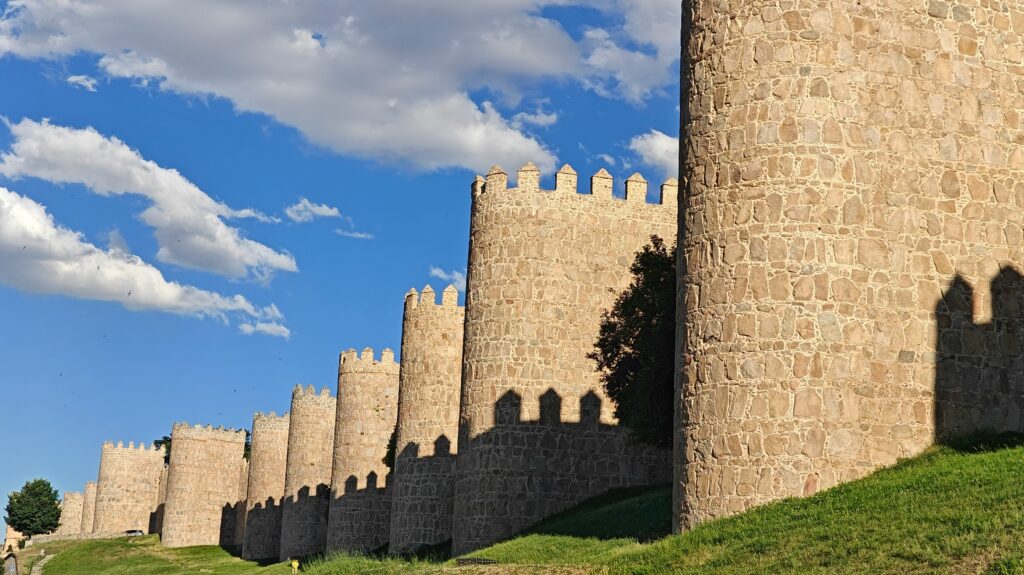
- City Walls of Ávila – Fully intact medieval walls encircling the city, with towers and walkways for panoramic views.
- Ávila Cathedral – A fortress-like Gothic cathedral integrated into the city walls.
- Convent of Santa Teresa – Dedicated to Saint Teresa of Ávila, an important figure in Spanish religious history.
- Plaza del Mercado Chico – The main square surrounded by cafes and historic buildings, ideal for a relaxed stroll.
- Basilica de San Vicente – A Romanesque church with impressive architectural details.
Location & How to Get Around
Day 4: Travel to Valencia – City of Arts & Beaches
For details on Valencia’s attractions, events, and travel tips, visit the official Valencia tourism website.
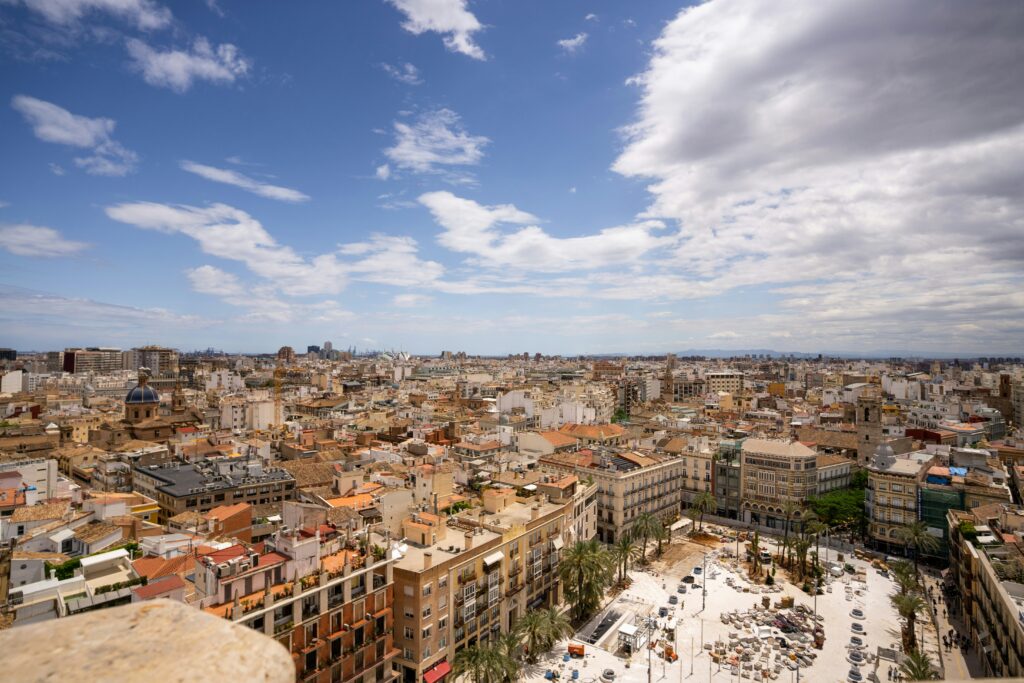
On day four, take the high-speed train south from Madrid to Valencia, a journey of about 1 hour and 40 minutes. Valencia is a vibrant city that perfectly blends history, modern architecture, and Mediterranean charm. It’s ideal for families, solo travelers, and first-time visitors looking to enjoy a mix of culture, food, and seaside relaxation.
Top Attractions in Valencia
- City of Arts and Sciences – A futuristic complex designed by Santiago Calatrava, featuring museums, an aquarium, and an opera house. Its unique architecture makes it a must-see landmark.
- Valencia Cathedral – Located in the heart of the old town, this Gothic cathedral is said to house the Holy Grail. Climb the Miguelete Tower for panoramic views of the city.
- Old Town (El Carmen) – Wander through narrow streets lined with colorful buildings, boutiques, and historic squares. Don’t miss the bustling Plaza de la Virgen.
- Malvarrosa Beach – Relax on the golden sands, swim in the Mediterranean, or enjoy a beachside café for the full coastal experience.
- Central Market (Mercado Central) – One of Europe’s largest markets, perfect for sampling fresh produce, local cheeses, and traditional Valencian pastries.
- Turia Gardens – A massive park built on a former riverbed, ideal for strolling, cycling, or simply relaxing amidst greenery.
Location & How to Get Around
For information on getting around Valencia, including metro, buses, and bike rentals, check the Valencia public transport website.
I’d recommend taking the AVE high-speed train from Madrid to Valencia, which takes about 1 hour 40 minutes and arrives at Valencia Joaquín Sorolla Station. You’ll find the city’s public transport system very efficient, making it easy to reach attractions outside the city center.
Travel Tips for Day 4 in Valencia
Day 5: Barcelona – Modernist Marvels
For official information about Barcelona, including attractions, events, and visitor guides, visit the Barcelona Tourism Official Website.
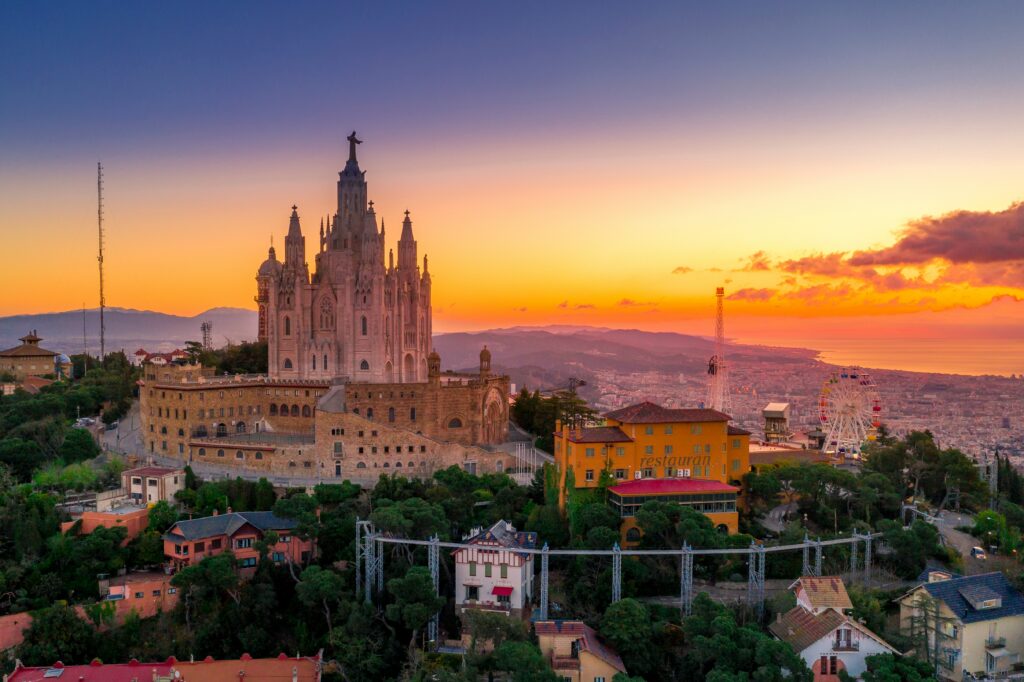
On day five, take a short train ride or flight to Barcelona, the dynamic capital of Catalonia. Known for its vibrant street life, stunning architecture, and Mediterranean beaches, Barcelona is often the highlight of any Spain in a week itinerary.
Top Attractions in Barcelona
- Sagrada Familia – Antoni Gaudí’s world-famous basilica, still under construction after more than a century. Its intricate facades and interiors are a must-see.
- Park Güell – A colorful public park designed by Gaudí, featuring mosaics, sculptures, and panoramic views of the city.
- Casa Batlló – A modernist masterpiece on Passeig de Gràcia, famous for its organic shapes and colorful façade.
- La Rambla – A lively pedestrian boulevard filled with street performers, cafés, and markets.
- Gothic Quarter – Wander narrow medieval streets, discover hidden squares, and explore historic buildings dating back to Roman times.
- Barceloneta Beach – Relax on the sand or enjoy fresh seafood at a beachside tapas bar.
Location & How to Get Around
For public transport information in Barcelona, including metro, buses, trams, and ticket options, visit the Barcelona Transport Official Website.
I suggest taking the high-speed train from Valencia to Barcelona, which takes about 3 hours if you want a quick and comfortable journey. You’ll find Barcelona’s metro network and hop-on-hop-off buses very convenient for reaching most attractions. If you want to really soak in the atmosphere, walk through the Gothic Quarter and along La Rambla for the full experience.
Travel Tips for Day 5 in Barcelona
Timing: I suggest visiting Sagrada Familia and Park Güell in the morning if you want to avoid crowds. Evening visits along La Rambla offer a lively local experience
Tickets: You might want to purchase online tickets for Gaudí attractions to skip long lines
Food: You could try seafood tapas near Barceloneta Beach for a taste of fresh Mediterranean cuisine
Comfort: It’s a good idea to wear comfortable shoes since Barcelona streets are often cobbled and hilly
Safety: Be aware of pickpockets in crowded areas like La Rambla
I suggest taking time to explore Barcelona’s modernist architecture, historic charm, and Mediterranean vibes if you want a truly memorable experience. You’ll enjoy its appeal for families, couples, and first-time visitors who are looking for culture, delicious cuisine, and unforgettable sights all in one destination.
Day 6: Scenic Costa Brava Coastal Road Trip
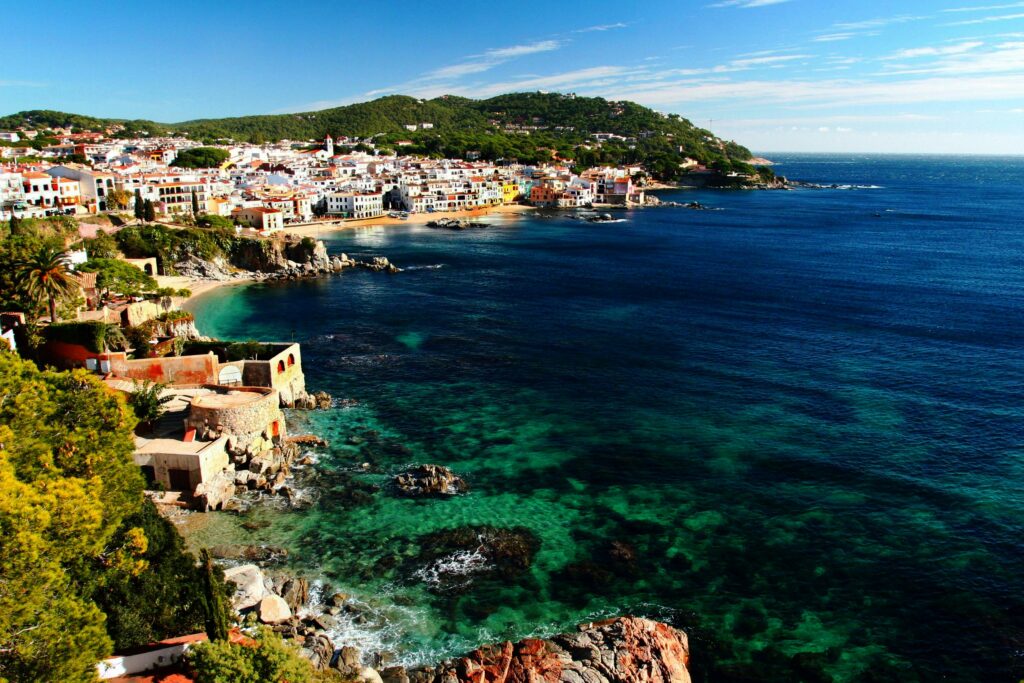
On day six, trade city streets for the stunning coastline of Costa Brava. This scenic road trip is perfect for travelers looking to explore charming coastal towns, golden beaches, and rugged natural landscapes.
Top Attractions along Costa Brava
-
Tossa de Mar – A picturesque coastal town with medieval walls, golden beaches, and a charming old town.
-
Cadaqués – A quaint fishing village famous for its artistic heritage, including Salvador Dalí’s connections.
-
Cap de Creus Natural Park – Rugged cliffs and scenic trails ideal for hiking, photography, and nature lovers.
-
Blanes & Lloret de Mar – Popular beach towns with calm waters, perfect for swimming and relaxation.
-
Local Experiences – Enjoy fresh seafood, paella, and tapas at seaside restaurants for an authentic taste of Catalonia.
Location & How to Get Around
For flexibility, renting a car is the best way to explore multiple towns along Costa Brava if you want to set your own pace. You could try a guided tour, though it’s less convenient when visiting several towns in one day. Parking is usually easy to find near beaches and town centers.
Travel Tips for Costa Brava Coastal Road Trip
Day 7: Return to Madrid & Local Experiences Before Departure

On your final day, return to Madrid to wrap up your one-week Spain itinerary. Spend a relaxing morning soaking in the city’s atmosphere, picking up souvenirs, and revisiting favorite spots before catching your flight.
Top Markets & Local Experiences in Madrid:
If you want to explore Madrid’s markets, discover famous items to buy as souvenirs, and get tips for tourists, visit the official website.
El Rastro Flea Market
Visiting El Rastro in La Latina on a Sunday was amazing. I saw so many antiques, vintage treasures, and local crafts. You really never know what you’ll stumble upon.
Mercado de San Miguel
I stopped by this gourmet food market near Plaza Mayor. Trying tapas, cured meats, cheeses, and some Spanish wine while soaking up the lively atmosphere was such a fun experience.
Mercado de San Antón
When I was in Chueca, Mercado de San Antón was on my list. I saw fresh produce, tasted gourmet foods, and even relaxed on the rooftop terrace with a drink. It was perfect.
Calle Fuencarral & Gran Vía
Strolling along these streets, I explored trendy boutiques, big stores, and souvenir shops. It was a great way to feel the city vibe while shopping.
Malasaña Neighborhood
I spent some time in Malasaña and discovered so many quirky artisan shops and vintage finds. Wandering around the neighborhood felt like uncovering hidden gems at every corner.
Travel & Safety Tips for Visiting Madrid Markets
-
Watch Your Belongings: In my experience, keeping your bag zipped and close is key. Crowded markets like El Rastro or busy streets like Gran Vía can attract pickpockets.
-
Go Early: I’d recommend visiting the markets in the morning. You’ll enjoy fewer crowds, better chances to find unique items, and great photo opportunities.
-
Carry Minimal Cash: You might want to bring just a small amount of cash. Many vendors take cards, but smaller stalls sometimes only accept cash.
-
Stick to Busy Areas: From what I’ve seen, quiet streets can feel risky. Staying in main market areas and well-lit shopping streets is usually safer, especially later in the day.
-
Keep Emergency Numbers Handy: Be sure to save Spain’s emergency number 112 on your phone. You never know when it might come in handy.
-
Be Mindful of Food: Fun fact, the busiest stalls at Mercado de San Miguel usually have the freshest food. You could try tapas, cheeses, or drinks there and enjoy them safely.
Enjoy Spain to the Fullest
This itinerary Spain balances major highlights with cultural experiences, day trips, and downtime. It’s crafted for first-timers who want a taste of everything—from the best attractions Madrid to coastal escapes and unforgettable food.
If you’re still wondering Spain how many days are enough, remember: one week is just the beginning. You’ll fall in love and want to return for more!
So pack your bags, plan wisely, and get ready to enjoy Spain like never before.
My Spain Travel Tips
If you’re planning a trip to Spain, it’s easy to enjoy Spain to the fullest with the right plan. A clear itinerary Spain helps you cover all the highlights without feeling rushed. Following a spain itinerary makes your travels smoother, while keeping a spain trip blog lets you capture every memory. Even planning a trip to Spain on a budget can be exciting when you know the top sights in Madrid and hidden gems to explore along the way.
Spain has something for everyone, from the best cities to travel to in Spain to must-see attractions for families. Discovering the best attractions Madrid offers ensures you get the most out of your visit. Wondering what to do in Segovia Spain or planning a spain itinerary from Barcelona? Keeping a spain travel itinerary 7 days in mind, helps you make the most of your time. Using a spain travel map or checking out barcelona itineraries makes exploring this beautiful country stress-free and unforgettable.
FAQs About a One Week in Spain Itinerary
Q1: How many days in Spain do I need for a first trip?
A Spain 1 week itinerary is ideal for first-timers. You’ll see major cities like Madrid, Valencia, and Barcelona without feeling rushed.
Q2: Can I do Spain in a week by train?
Yes! Spain’s high-speed rail makes it easy. A Spain by train itinerary connects Madrid, Valencia, and Barcelona quickly and comfortably.
Q3: What are the top sights in Madrid for first-time visitors?
The Royal Palace, Prado Museum, Retiro Park, and Plaza Mayor are the best attractions Madrid offers.
Q4: Is Spain good for family travel?
Absolutely. From theme parks in Madrid to beaches in Valencia and museums in Barcelona, family travel Spain is fun and easy.
Q5: Should I take a roadtrip in Spain?
If you have an extra day, yes! The Costa Brava and Andalusian routes are perfect for a roadtrip in Spain.
Conclusion
If you want to enjoy 2 days in Paris, France under $500, including stayings, food, and sightseeing, you must check out our guide.
This one week in Spain itinerary is perfect for first-time travelers who want to see the best cities to travel to in Spain. Explore Madrid top attractions, take a tour to Segovia from Madrid, enjoy beaches in Valencia, and experience Barcelona’s modernist marvels.
Whether you follow a Spain by train itinerary or plan a roadtrip in Spain, this Spain 1 week itinerary helps you enjoy Spain fully without feeling rushed. Seven days may be short, but it’s enough to create unforgettable memories and inspire a return trip.