So, you are thinking about heading to Italy. Honestly, I think that is the best decision you could make for your next vacation. Italy is one of those places that pretty much everyone has on their bucket list, but the thing is, most people just do the tourist traps. They see the big crowds, eat the frozen pizza near the Colosseum, and go home feeling a bit tired.
I want something better for you. Personally, I believe the secret to a great Italian trip is balancing those famous sights with the quiet moments where you actually feel like a local. In this guide, I will show you how to spend 14 days in Italy without feeling like just another face in the crowd. We are talking about the hidden bakeries, the right way to drink coffee, and how to move through the country like you live there.
Why You Should Visit Italy
Before we dive into the schedule, let’s talk about why “slow travel” is the way to go. Many people try to see ten cities in two weeks. Trust me, I have been there and it is exhausting. You spend more time on trains than you do eating pasta.
Instead, we are going to focus on a few key regions. This way, you get to know the shop owners, you find your favorite gelato spot, and you actually relax. Plus, it is way easier on your brain.
Days 1-3: Eternal Rome
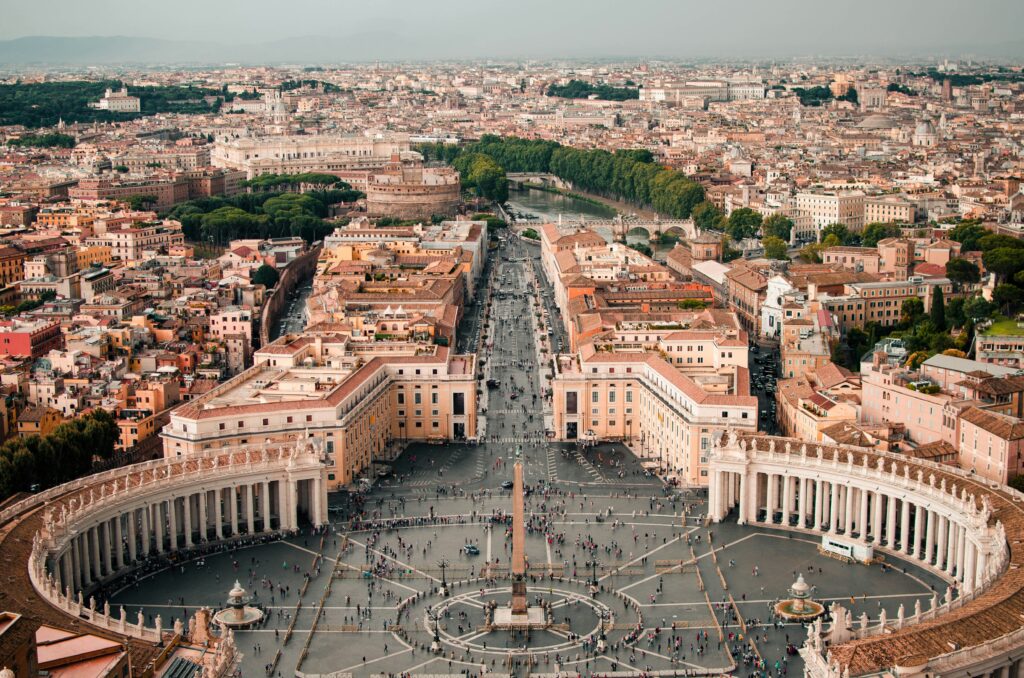
I recommend starting your Italy trip here.
Day 1: Welcome to the Chaos
So, you finally made it to Rome. First things first—drop your bags at your hotel and relax. I get it, the excitement is real. You probably want to rush straight to the big monuments, but trust me, don’t do that just yet. your first day is all about easing into the city.
I’d recommend heading straight to Trastevere. Personally, this is one of my favorite neighborhoods in Rome. It’s across the river, but it feels like a small village frozen in time. Imagine narrow cobblestone streets, laundry hanging from windows, ivy-covered walls, and locals chatting like they’ve known each other forever. You know, that real Roman vibe.
Here’s what you can do just wander. Seriously. No plan, no map, no stress. Walk wherever your feet take you. This area is perfect for photos, and honestly, you’ll find beauty everywhere you look.
Day 2: The Classics Done Right
Now, let’s be real—you can’t come to Rome and skip the classics. I mean, come on. So Day 2 is all about seeing the famous stuff, but actually doing it smart.
Start your morning early. And when I say early, I mean really early. Head to the Colosseum and the Roman Forum before the crowds take over. Trust me, it makes a huge difference.
Afternoon: By afternoon, you’ll probably be hungry—and tired. Here’s the secret most tourists miss. Skip the fancy restaurants near the Pantheon. Walk a few blocks into the side streets and look for a “Tavola Calda”. That’s where local workers eat. It’s cheap, delicious, and pretty much always good. I suggest you try whatever looks popular—usually, that’s the best sign.
This isn’t a promotion or sponsored tip at all—it’s just something I genuinely recommend from experience.
Day 3: The Vatican and Hidden Hills
Day 3 is kind of special. Start with the Vatican City. It’s busy, yes, but also absolutely worth it. Take your time, don’t rush, and don’t stress if you don’t see everything. That’s totally normal.
After that, Head to Aventine Hill. Walk up to the famous Aventine Keyhole at the Knights of Malta gate—when you look through it, you’ll see the dome of St. Peter’s Basilica perfectly framed. It’s one of Rome’s coolest hidden views.
In the evening, if you still have time and energy, make a relaxed stop at the Giardino degli Aranci. It’s calm and offers one of the best panoramic views of the city.
After exploring, Sit at a café and order a “Caffè” (that’s an espresso). Drink it standing at the bar like locals do—it’s cheaper and part of the true Roman experience.
For dinner, choose a casual trattoria away from the main tourist streets and enjoy classic Roman pasta like cacio e pepe or amatriciana.
Places Covered (Days 1–3)
-
Trastevere
-
Colosseum
-
Roman Forum
-
Pantheon
-
Vatican City
-
Aventine Hill
-
St. Peter’s Basilica
-
Giardino degli Aranci
Days 4-6: Florence and the Heart of Tuscany
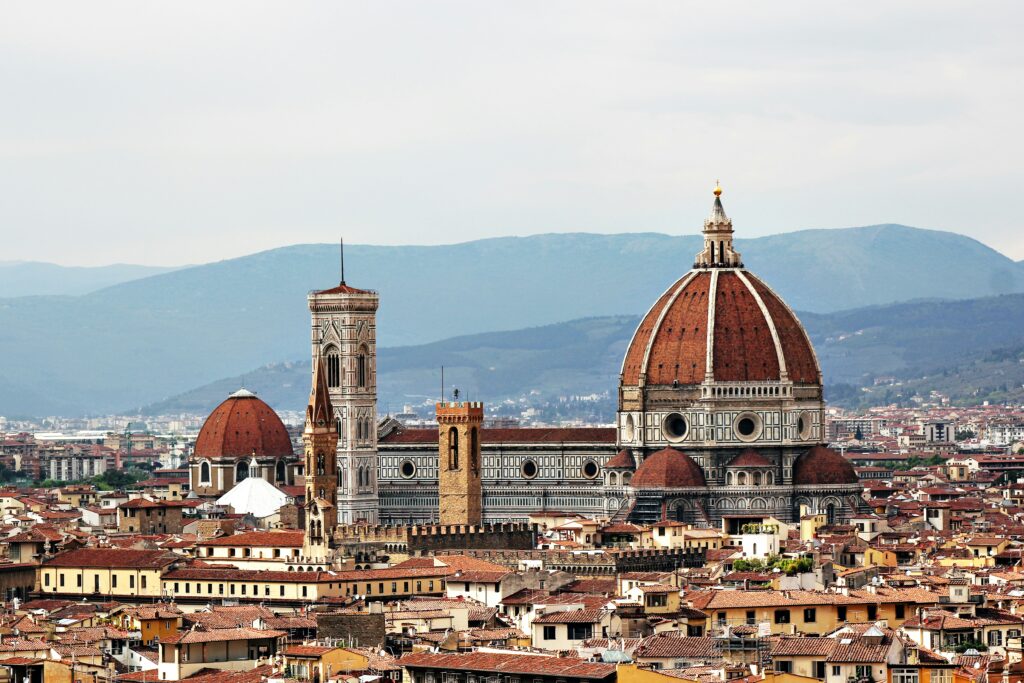
I suggest traveling to Florence from Rome by high-speed Frecciarossa or Italo train. Depart from Roma Termini and arrive at Firenze Santa Maria Novella in about 1 hour 30 minutes. Trains run frequently throughout the day, so you can travel at almost any time.
If you’re traveling on a budget, make sure to check out our guide on the top 10 budget-friendly things to do in Florence, covering everything you need to explore the city affordably.
Day 4: Art and Sandwiches
Start your first Florence day with art. Visit the Uffizi Gallery, home to world-famous Renaissance masterpieces. It’s incredible—but also intense—so take your time and don’t try to see everything. One or two hours is more than enough for most travelers.
After your art fix, you’re going to be hungry. Trust me. Many people rush to All’Antico Vinaio, and yeah, it’s famous for a reason. But here’s the deal—there’s usually a long line. So, what if you skip it? I think you might actually enjoy finding a small “Alimentari” instead. These little grocery shops make fresh panini that are just as good, sometimes even better.
Dinner is non-negotiable. You must try Bistecca alla Fiorentina. It’s a massive steak, meant for sharing, and honestly, it’s kind of an experience. One tip is to order it medium-rare and split it with someone. You’ll thank me later.
Day 5: The Oltrarno Side
Now, let’s explore the quieter side of Florence. Cross the Ponte Vecchio and head into Oltrarno. This is where actual Florentines live and work.
Wander through narrow streets and you’ll see leather craftsmen, woodworkers, and traditional paper marblers still practicing their trades. There’s no strict plan needed here—just walk, explore, and stop for coffee or gelato whenever you feel like it.
Day 6: A Tuscan Daydream in the Hills
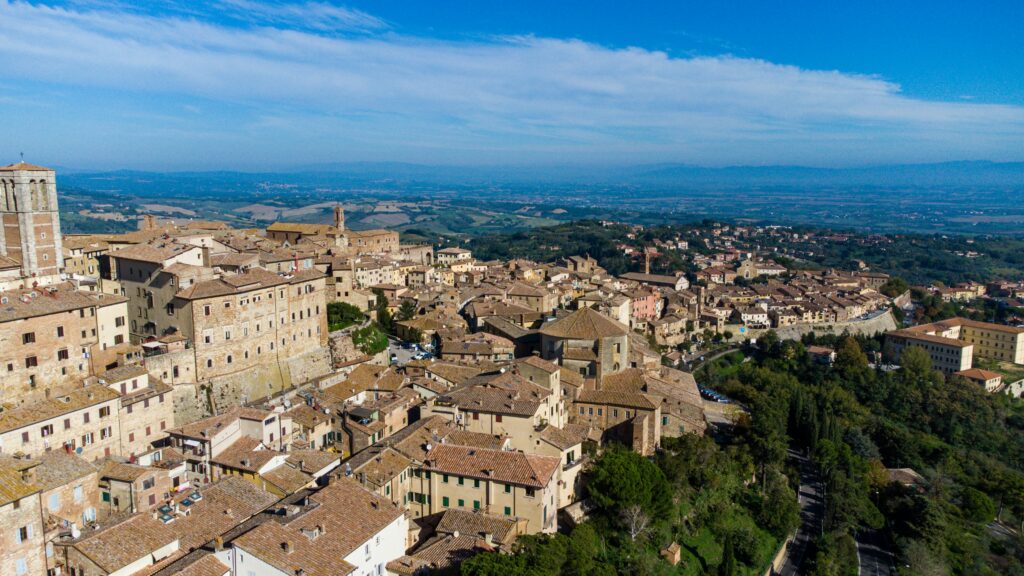
Now for something really special. Day 6 is all about getting out of the city. You could rent a car or take a bus to Siena or San Gimignano. Both look like they’re frozen in time.
While you’re here, enjoy the region’s food and wine. Order a glass of Chianti Classico, sit outside, and take in the rolling hills dotted with vineyards and olive trees. This is Tuscany at its most magical.
If you want to know about the best vineyards in Tuscany, make sure to check out our complete guide covering 16 must-visit vineyards, their addresses, what to taste, and everything you need to know.
Days 7-9: The Coastal Magic of the Cinque Terre
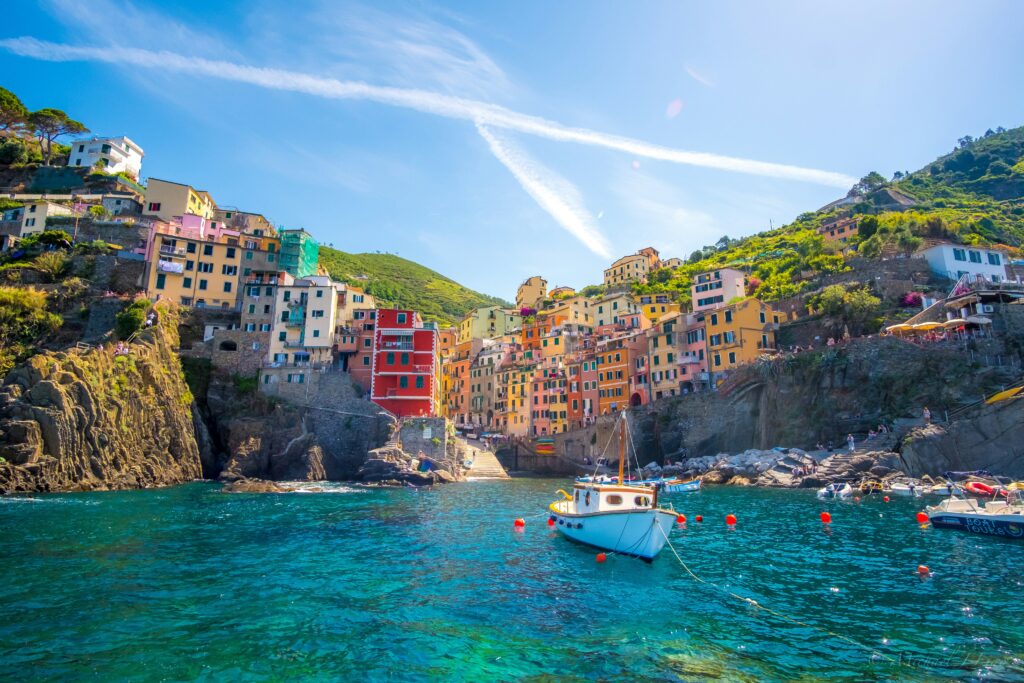
Day 7: Arriving in Paradise
The Cinque Terre villages themselves can get pretty crowded, especially during the day. One thing I really recommend is using the train system to move in and out of the villages. It’s easy, efficient.
For your first evening, head straight to Riomaggiore. Personally, I think this village is the perfect introduction. Imagine this: colorful houses stacked above the water, small boats bobbing in the harbor, and the sound of waves echoing off the cliffs. Now add a slow sunset turning everything golden. Yeah, it’s kind of magical.
Day 8: Hiking and Pesto
Now let’s explore properly. Day 8 is all about walking. The best way to see the Cinque Terre is on foot, using the scenic trails that connect the villages. Some sections are easy, some are a bit challenging, but you can totally choose what feels right for you.
Between walks, stop for lunch and try local specialties. This region is the birthplace of pesto, and it tastes completely different here—fresh basil, olive oil, garlic, and pine nuts. Buy a small jar to take home if you can; it’s unforgettable.
Day 9: Boat Life
Now for one of the absolute highlights. Day 9 is all about seeing the Cinque Terre from the sea. You can rent a small boat or hop on a ferry and cruise along the coastline.
Let me show you why this matters. From the water, the villages look even more dramatic. The colorful houses, the steep cliffs, the deep blue sea—it all comes together in a way that honestly feels unreal. I know that sounds dramatic, but trust me, it’s pretty much one of the most beautiful views you’ll ever see.
Days 10-12: The Magic of Venice
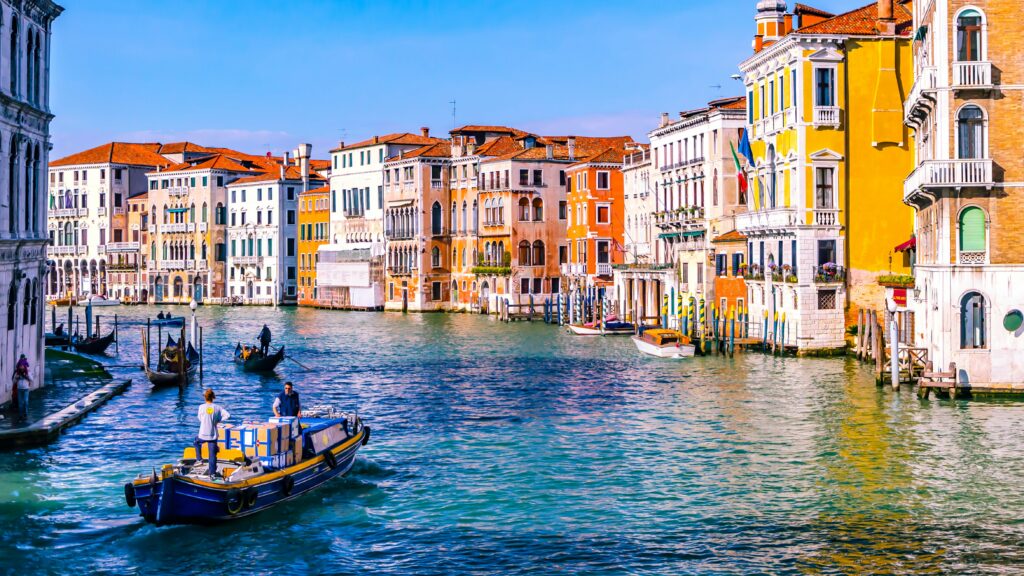
After finishing up in the Cinque Terre, reaching Venice is very straightforward. First, take a local train back to La Spezia. From there, hop on a direct or one-change train to Venice, which usually takes around 4–5 hours.
Day 10: Getting Lost
the best thing you can do is get lost. Seriously. Put your phone away, stop checking maps, and just wander. I know that sounds scary, but believe it or not, Venice is actually pretty safe and easy to navigate.
Picture this—tiny bridges over quiet canals, laundry hanging from windows, and small squares where kids are playing soccer while locals chat nearby. These moments are what make Venice special. Personally, I think this is the real Venice, not just the famous spots.
When you get hungry (and you will), here’s a local tip you’ll love. Look for a “Bacaro.” These are small neighborhood bars where locals stop for a quick bite. Inside, you’ll find “Cicchetti,” which are basically Venetian tapas. They’re cheap, delicious, and perfect for snacking as you explore. One tip is to try a few different ones and stand at the counter like the locals do. It’s casual, fun, and honestly, pretty memorable.
Day 11: The Islands
Day 11 is all about getting out on the water and visiting the islands. Take a boat to Burano. It’s a bit of a ride
Burano is famous for its brightly painted houses, and honestly, it looks like a real-life painting. Every house is a different color, and somehow it all works. If you love photography or just enjoy colorful places, you’ll absolutely love this island. Walk around and just enjoy the vibe. It’s calm and feels very different from busy Venice.
Day 12: A Gondola Alternative
Let’s talk gondolas. Yep, they’re iconic—but they’re also very expensive. So here’s the secret. If you want the experience of being on the water without spending a lot, try a Traghetto.
A Traghetto is basically a large gondola locals use to cross the Grand Canal. It only costs a couple of euros, the ride is short, and yes—you’re still standing in a gondola. Believe it or not, this is one of the most authentic experiences you can have in Venice.
Days 13-14: Milan and Lake Como
From Venice, simply take a direct high-speed train to Milan, which usually takes around 2.5–3 hours. Trains run often throughout the day, so there’s no pressure to leave super early unless you want to.
Day 13: The Duomo and Shopping
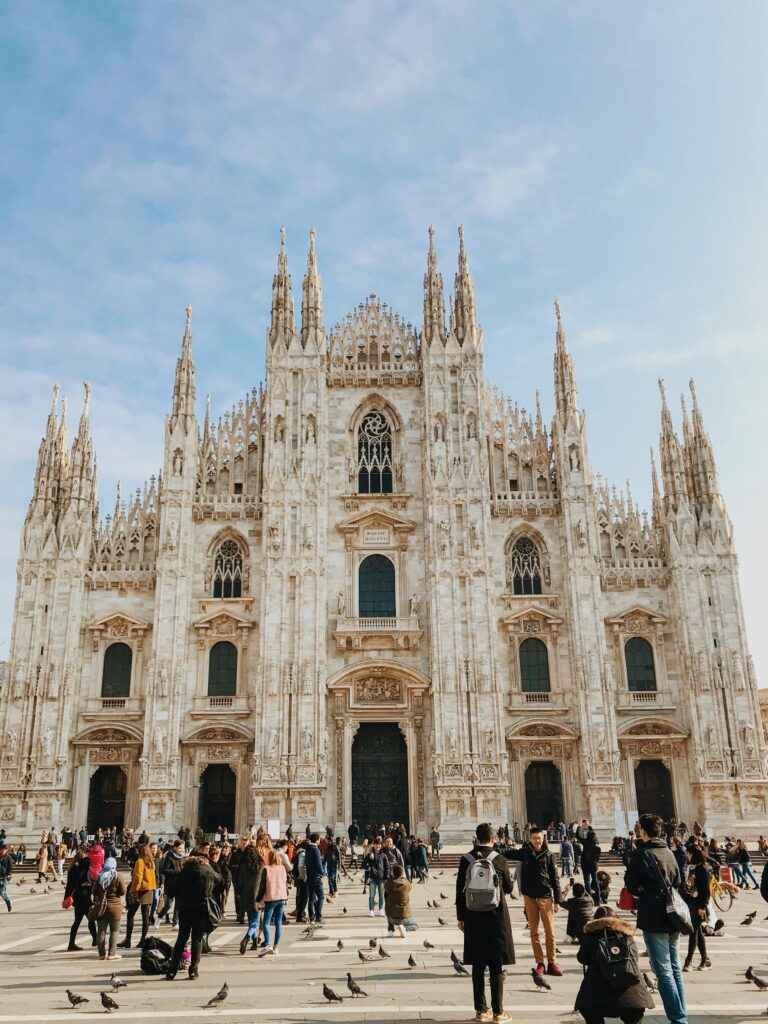
Let’s start Day 13 with the star of the city: the Milan Cathedral. No photo prepares you for how massive and detailed it is. Those white spires seem to go on forever. Here’s the deal—you can actually walk on the roof. And yes, you absolutely should. Standing up there, looking out over the city, feels kind of unreal. It’s one of those moments where you stop and think, wow, I’m really here.
After that, just a short walk away, you’ll find the Galleria Vittorio Emanuele II. Even if shopping isn’t your thing, trust me, you’ll want to step inside. The glass ceiling, the elegant floors, and the old-world charm make it feel more like a museum than a mall.
Day 14: Lake Como
Once you arrive, take a boat ride across the lake. This is where the magic really happens. The calm water, elegant villas, mountain backdrops, and small lakeside towns feel straight out of a movie. You could wander around places like Bellagio, grab a coffee by the water, or just sit and enjoy the view.
To be honest, Lake Como is the perfect place to reflect on everything you’ve experienced. From ancient ruins in Rome to rolling Tuscan hills, colorful coastal villages, dreamy canals, and now this quiet lake—it all kind of comes together here.
How to Eat Like a Local in Italy
I know you are excited about the food. Who wouldn’t be? But there are some unwritten rules you should know so you don’t look like a total tourist.
-
No Cappuccino after 11 AM: Italians believe milk messes with your digestion after a meal. If you order one at 4 PM, they will know you aren’t from around there.
-
Bread and Olive Oil: Most restaurants don’t serve a bowl of olive oil with bread. Bread is usually for cleaning up the sauce on your plate (this is called “fare la scarpetta”).
-
The Bill: You usually have to ask for the check (“Il conto, per favore”). They won’t bring it to you automatically because they don’t want to rush you.
FAQs
When is the best time to visit Italy?
I suggest going in the “shoulder season.” This means May, June, September, or October. The weather is warm, but the crowds are much smaller than in July or August. Plus, everything is a bit cheaper.
Do I need to speak Italian?
Not really. In the big cities, most people speak great English. However, learning a few words like “Buongiorno” (Good morning) and “Grazie” (Thank you) goes a long way. It shows you respect the culture, and people will be much nicer to you.
Is Italy safe for solo travelers?
Absolutely. Italy is generally very safe. Just be careful with your bag in crowded areas like train stations, as pickpockets do exist. Use your common sense and you will be fine.
How do I get around?
The train system in Italy is fantastic. Use the “Frecciarossa” (fast trains) to get between big cities. For smaller towns, the regional trains are slow but very cheap. I don’t recommend driving in the cities unless you have nerves of steel.
What should I pack?
Comfortable walking shoes are a must. You will be walking on cobblestones all day. Also, make sure you have something to cover your shoulders if you plan on entering churches.
Final Thoughts on Your Italy Trip
At the end of the day, Italy is about the “Dolce Vita” (the sweet life). It is about taking your time, enjoying your wine, and watching the world go by. Don’t worry if you don’t see every single museum. The best memories usually happen when you are just sitting in a piazza eating a gelato.
I hope this itinerary helps you plan the trip of a lifetime. Italy has a way of staying in your heart long after you leave.